

organics
The Wonder of Colored Seed Organic Cotton
organics
A Brief History of Coloured Seed Cotton
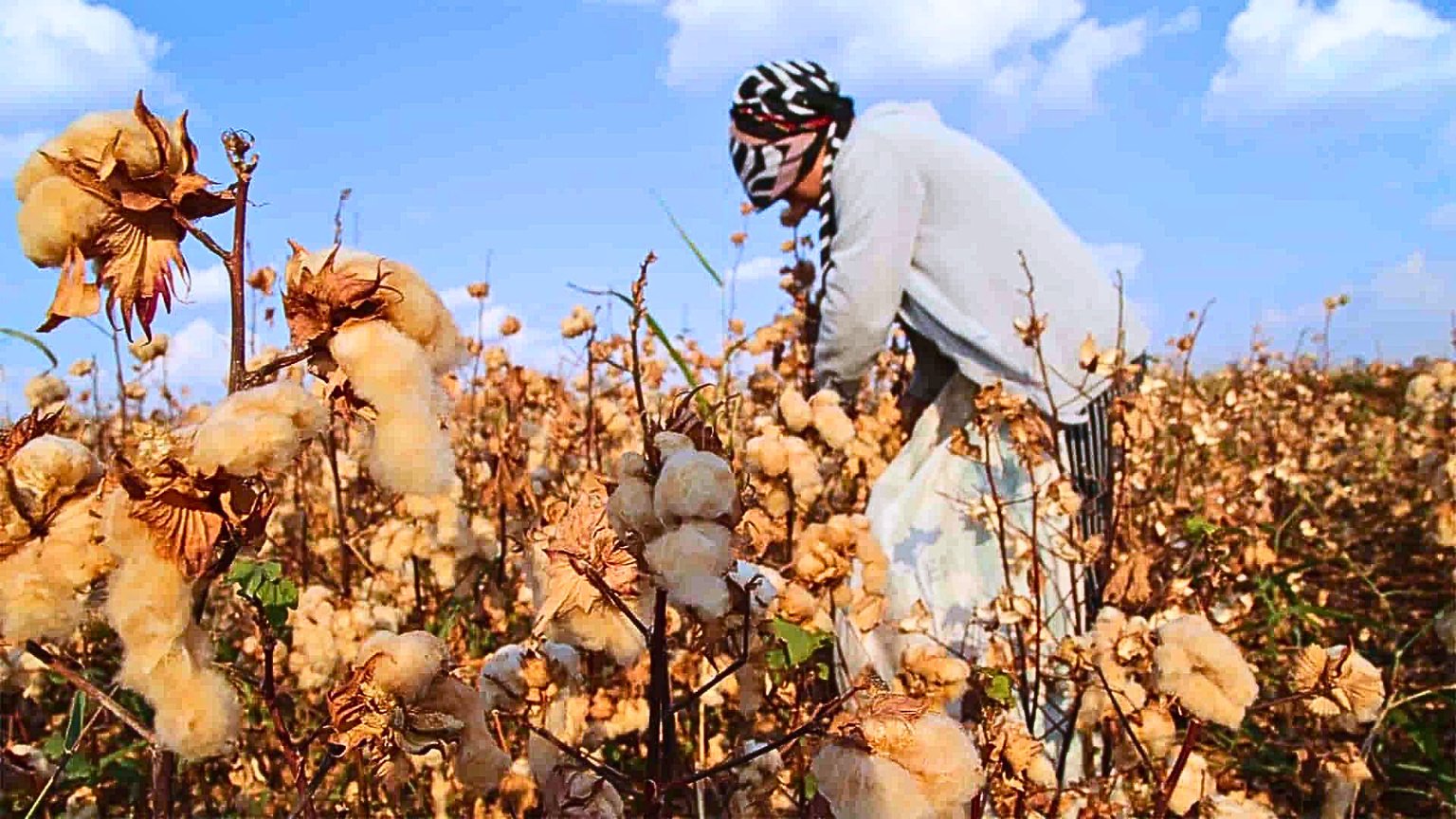
Coloured seed cotton boasts a history spanning over 5,000 years, originating in the ancient civilizations of South and Central America. These cultures valued its natural hues of brown, green, and ecru, using them to craft vibrant textiles without the need for additional dyes.
While its popularity diminished with the rise of mass-produced white cotton during the Industrial Revolution, coloured seed cotton has recently seen a resurgence. Its sustainable cultivation methods and natural beauty make it a promising alternative to conventional cotton, embodying both tradition and modern eco-consciousness.
organics
What is Colored Seed Organic Cotton?
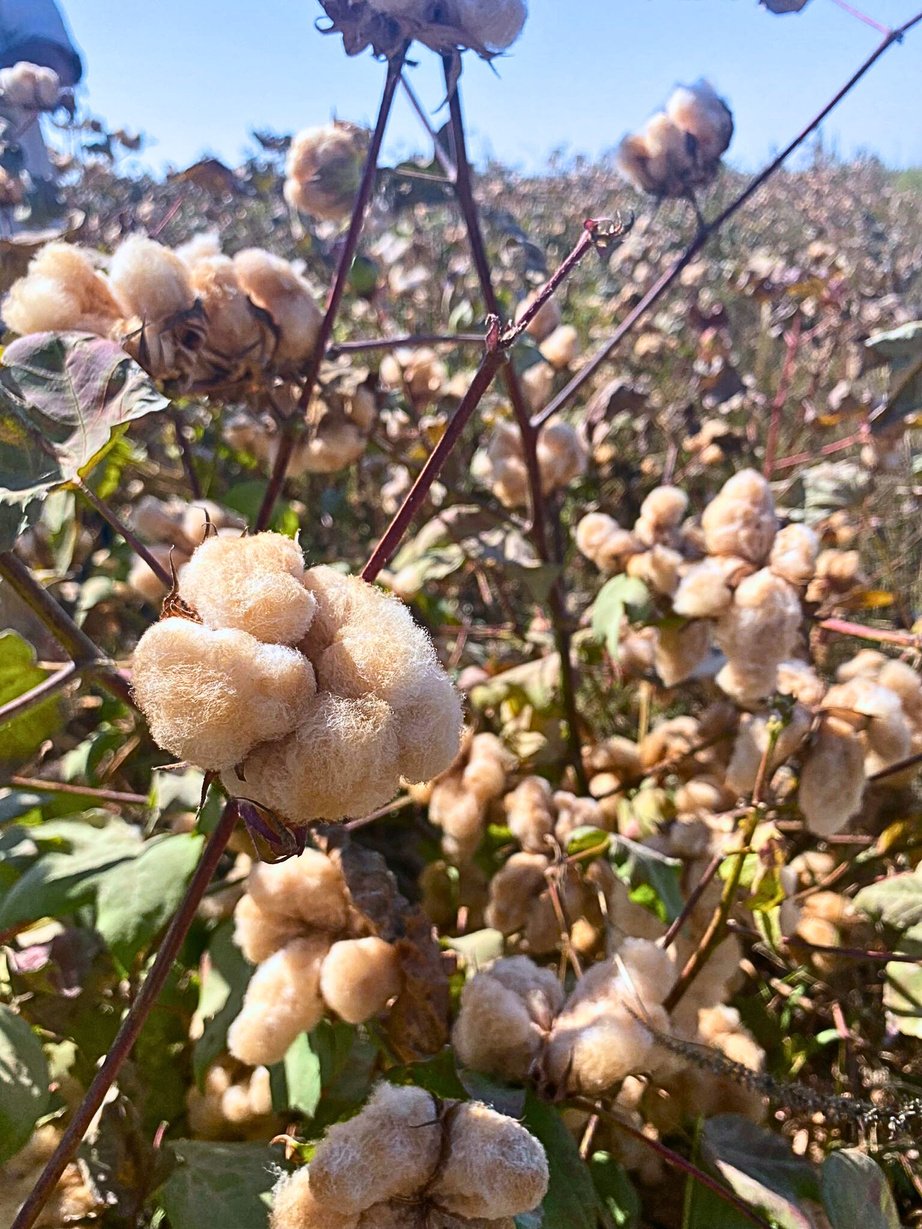
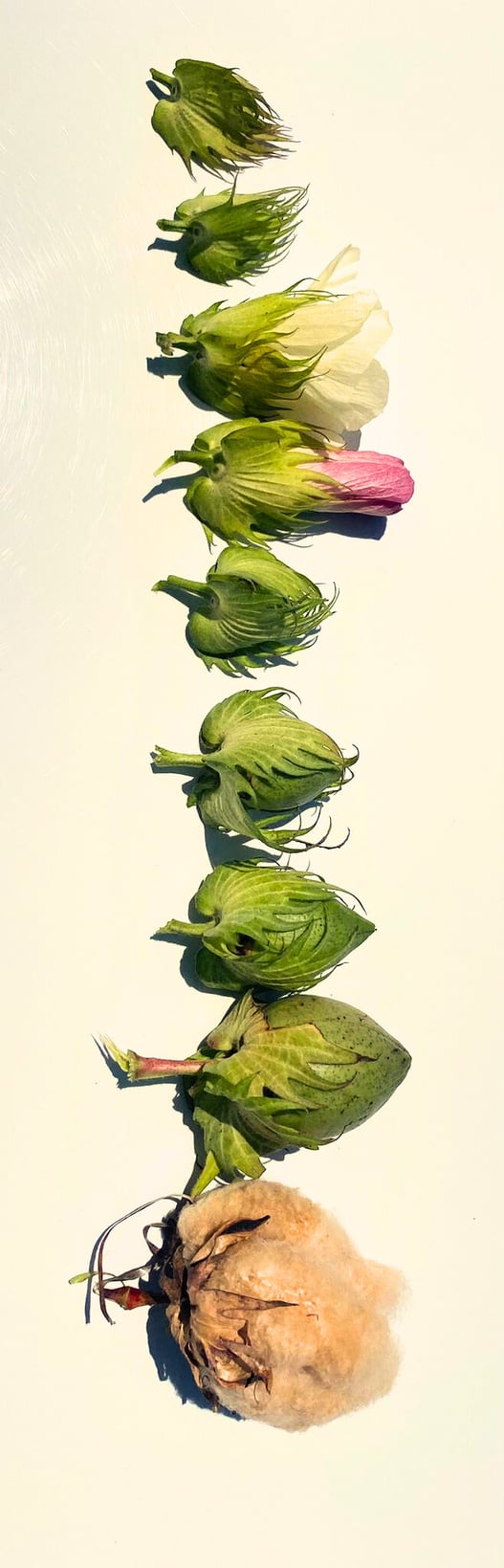
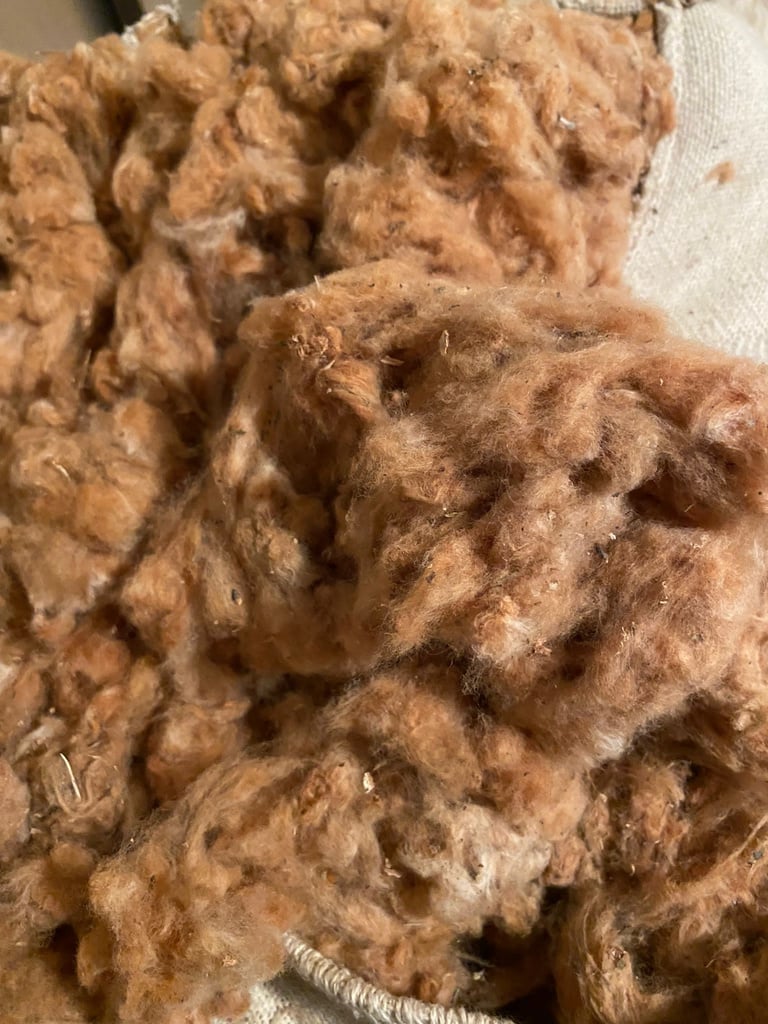
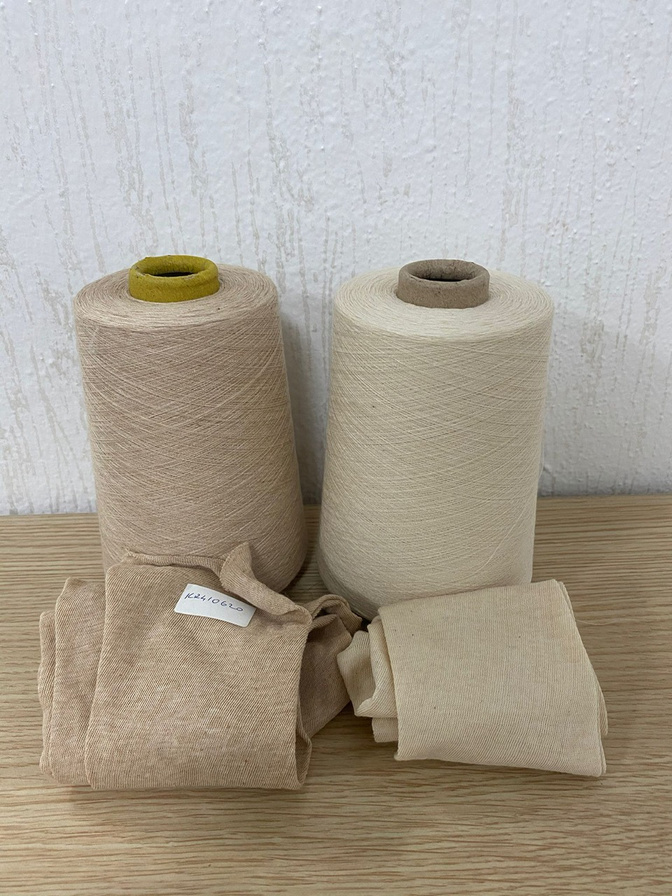
Coloured seed organic cotton is a game-changer in the textile industry. Unlike conventional white cotton that requires dyeing, these special cotton plants produce fibres that are naturally brown, green, or ecru.
This eliminates the need for harsh chemical dyes, a process notorious for its environmental damage and health risks. By embracing coloured seed organic cotton, we can create a more sustainable and colourful textile landscape.
- A rare and unique variety of organic cotton that grows in natural colours like brown, green, and ecru.
- Eliminates the need for harmful dyes, reducing water pollution and chemical use.
- Offers a wider colour palette without compromising the environment or human health.
organics
The Benefits of Colored Seed Organic Cotton
Coloured seed organic cotton has many benefits. It saves water and reduces chemical pollution by eliminating the dyeing process. Also, it promotes healthy soil and biodiversity through organic farming methods. Finally, it has a unique and natural appeal that sets it apart from conventional cotton.
- Reduces water usage: Dyeing is a water-intensive process. Coloured seed organic cotton eliminates this step, conserving precious water resources.
- Minimises chemical pollution: Dyes often contain harmful chemicals that can pollute waterways and harm ecosystems. Coloured seed organic cotton offers a cleaner alternative.
- Promotes soil health: Organic farming practices used to cultivate coloured seed organic cotton improve soil quality and biodiversity.
- Offers a unique aesthetic: The natural colours of coloured seed organic cotton create a beautiful and unique aesthetic for clothing and textiles.
organics

Chemical Reduction
The use of harmful chemicals in dyeing processes is a major environmental concern. Coloured seed organic cotton eliminates the need for synthetic dyes, thereby reducing chemical use substantially. Traditional cotton dyeing procedures use a lot of resources, including a lot of water and chemicals. By opting for naturally coloured cotton, the dependency on these synthetic dyes and chemicals is greatly reduced.
Water Savings
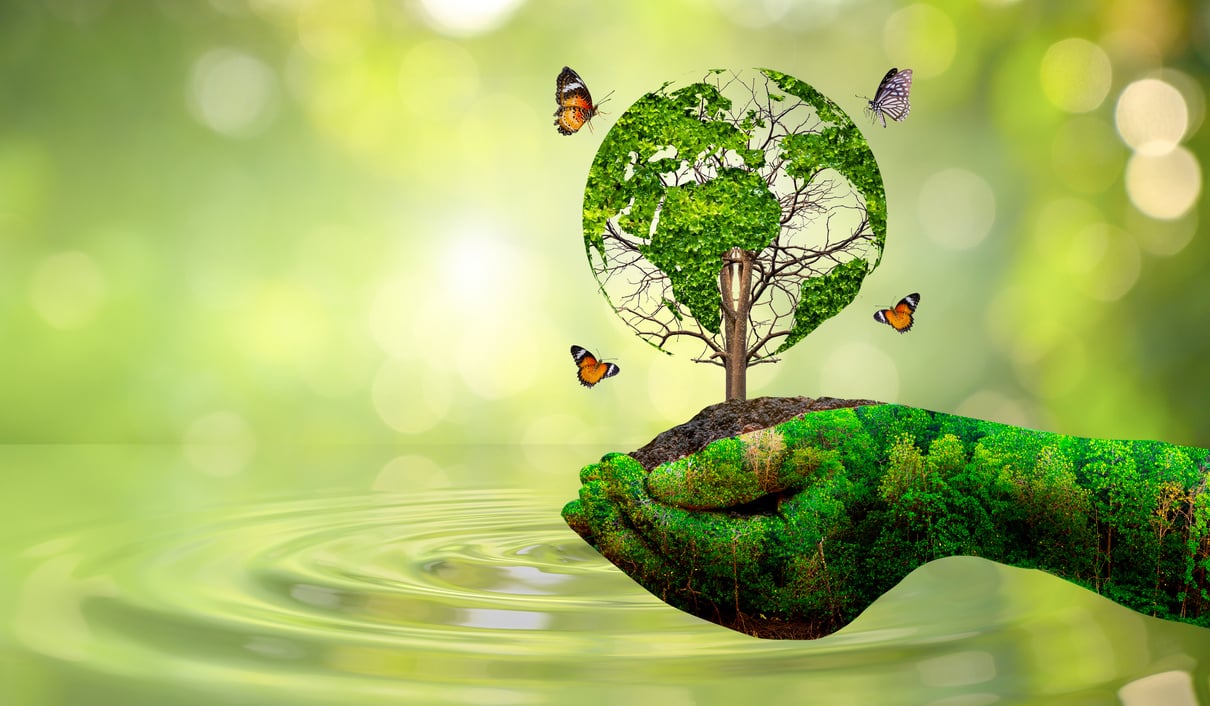
Organic cotton farming uses up to 91% less water than non-organic cotton. It’s estimated that organic cotton farming could save 218 billion litres of water annually, which is equivalent to 87,201 Olympic-sized swimming pools. This is a significant saving, considering that conventional cotton farming is one of the most water-intensive agricultural practices.
Energy Consumption
Organic cotton is also more energy-efficient, using 62% less energy to grow and produce compared to conventional cotton. This reduction in energy use further contributes to the environmental benefits of choosing coloured seed organic cotton.
organics
Comparing Coloured Seed Organic Cotton to Conventional White Cotton
Coloured Seed Organic Cotton | Conventional White Cotton |
- Grows in natural colours like brown, green, and ecru, eliminating the need for harmful dyes.
- Cultivated without synthetic pesticides and chemical fertilisers1.
- Can be grown organically or conventionally, but organic cultivation is more common.
- Saves significant amounts of water and energy due to the absence of the dyeing process.
- Promotes soil health through organic farming practices.
- Typically requires dyeing, which uses large amounts of water and chemicals.
- Grown using high doses of fertilisers and pesticides, which can contaminate soil and water.
- Often made from genetically modified seeds to increase pest resistance and crop yield.
- Has a larger environmental footprint due to the intensive use of resources and chemicals.
organics
The Applications of Colored Seed Organic Cotton
The applications of coloured seed organic cotton are vast and exciting. In the realm of apparel, coloured seed organic cotton can be used to create a wide range of garments, from casual t-shirts and jeans to elegant dresses and cosy sweaters.
Home textile enthusiasts can use coloured seed organic cotton to create beautiful and eco-friendly towels, sheets, blankets, and curtains.
The possibilities extend to accessories as well, with bags, hats, scarves, and other items crafted from this unique and sustainable material. The natural colours of coloured seed organic cotton lend themselves to a variety of design aesthetics, from classic to contemporary.
01
02
03
Apparel
From t-shirts and jeans to dresses and sweaters, coloured seed organic cotton can be used to create a wide range of sustainable and stylish clothing.
Home textiles
Create beautiful and eco-friendly towels, sheets, blankets, and curtains using coloured seed organic cotton.
Accessories
Bags, hats, scarves, and other accessories can be crafted from this unique and sustainable material.
organics
The Future of Colored Seed Organic Cotton
Coloured seed organic cotton represents a promising future for the textile industry. It offers a sustainable and ethical alternative to conventional cotton while fostering a more vibrant textile landscape with its natural colour palette.
The cultivation of coloured seed organic cotton incentivises organic farming practices, promoting soil health and a thriving agricultural ecosystem. Ultimately, coloured seed organic cotton empowers consumers to make eco-conscious choices, ensuring a more sustainable future for fashion and textiles.
- A sustainable and ethical alternative to conventional cotton.
- Offers a wider colour palette for a more vibrant textile industry.
- Creates a demand for organic farming practices and soil health.
- Empower consumers to make eco-conscious choices.


organics

Limited Availability: Less widely available than conventional cotton, which can limit accessibility and choice.
Higher Cost: Typically more expensive due to the costs associated with organic farming practices.
Yield Variability: Organic yields can be lower and more variable, affecting supply consistency.
Sustainability: Grows in natural colours, reducing the need for harmful dyes and chemicals.
Water Conservation: Uses significantly less water compared to conventional cotton.
Energy Efficiency: Lower energy consumption due to the absence of the dyeing process.
Soil Health: Organic farming practices improve soil quality and biodiversity.
SWOT
Growing Market: Increasing consumer demand for sustainable and ethical products.
Innovation: Potential for agricultural and genetic advancements to improve yields and reduce costs.
Brand Differentiation: Offers brands a unique selling proposition in a competitive market.
Market Competition: Intense competition from conventional cotton and synthetic fibres.
Economic Barriers: High price points may deter cost-sensitive consumers.
Climatic Vulnerability: Organic crops may be more susceptible to weather fluctuations and pests.


organics
Contact With Us
We are eager to hear from you! Whether you have inquiries about our eco-friendly garments, wish to explore collaboration opportunities, or simply want to learn more about our sustainable initiatives, please don’t hesitate to get in touch. Reach out to us at [Your Contact Information], and let’s pave the way towards a greener, more stylish future together.

+44 7437 184457

www.vuun.co.uk

hello@vuun.co.uk

128 City Road, EC1V 2NX, London, United Kingdom
organics
Thank You
In a world where fashion meets responsibility, our company stands at the forefront of change. We are proud to introduce a transformative approach to the textile industry with the vibrant hues of coloured seed organic cotton. This exceptional material embodies our commitment to sustainability, comfort, and style.
As a producer in Turkey, we are uniquely positioned to craft eco-friendly garments that not only appeal to the fashion-conscious but also resonate with the values of the environmentally aware. Our use of coloured seed organic cotton represents a significant step towards reducing the ecological footprint of the fashion industry.
We invite you to join us in this journey of innovation and style, where each garment is a testament to our dedication to a greener planet. Together, we can weave a future where fashion and nature exist in harmony.